Revolutionizing Safety with Protecton Technology: The Future of Wearable Protective Clothing
- arruthtech
- May 27, 2025
- 4 min read
In today's unpredictable world, the demand for effective protective gear is greater than ever. From natural disasters to industrial accidents, the need for reliable safety equipment cannot be ignored. Enter Protecton technology—a game-changer in wearable protective clothing designed to shield individuals from a variety of hazards. Developed by experts at the Defence Research & Development Organization, Protecton stands for “Protection On,” and offers innovative solutions for emergencies, particularly in the realm of CBRN (Chemical, Biological, Radiological, and Nuclear) incidents.
Understanding the Need for Protective Wear
India is uniquely vulnerable to a range of environmental challenges. Approximately 12.5% of the country is at risk from floods, and the nation grapples with around 10% of the world's cyclones, particularly along its 7,000 km coastline. Earthquakes further complicate this picture, with around 65% of India’s land susceptible to seismic activity.
On top of natural disasters, the threat of man-made catastrophes cannot be overlooked. Research indicates that between 2017 and 2020, approximately 1,000 fatalities resulted from industrial safety issues, with 130 significant accidents documented in the past decade. This context underscores the urgent need for advanced protective gear, especially for frontline workers facing these life-threatening situations.
The Unique Features of Protecton Technology
Protecton technology is tailored to a wide range of hazards, making it versatile in various emergency contexts.
Water Resistance: This technology boasts exceptional water penetration resistance, which is crucial during floods, cyclones, and severe weather conditions. For instance, during the 2019 floods in Kerala, many emergency responders struggled with inadequate gear, leading to delays in rescue operations. Protecton's waterproof design ensures that wearers remain protected, allowing focus on critical tasks.
Breathability and Dust Resistance: The clothing is designed to be breathable, preventing overheating in dusty conditions. This feature is particularly beneficial in areas affected by frequent dust storms. For example, during the 2022 dust storms in northern India, many rescue operations were hampered by inadequate protective wear that could not filter out harmful particles.
In regions prone to earthquakes, durable and flexible clothing is essential. Protecton meets this need with robust construction, allowing it to perform effectively during landslides and other seismic events. As a result, it becomes an indispensable resource for first responders who often navigate unstable conditions.
Meeting Biological Threats with Precision
Another notable advantage of Protecton technology is its capacity to defend against biological threats. This is increasingly vital during public health emergencies, such as pandemics, where specialized gear is crucial for first responders. For example, during the COVID-19 pandemic, the demand for protective clothing surged dramatically. Protecton integrates features that enhance safety against biological agents, ensuring responders are better prepared during crises.
A key aspect of Protecton’s design is its affordability. The clothing is made for multipurpose use, which means it can remain effective for extended periods, making it accessible to those who need protective gear most.
Design and Functionality
The Protecton Basic+ class clothing exemplifies this innovative approach to safety.
Seam-Sealed, Breathable Fabric: The use of high-quality materials ensures protection while allowing for air circulation.
Innovative Hood Design: This feature provides extra coverage, enhancing the outfit's protective qualities.
Waterproof Zipper: Keeps inner components dry, maintaining functionality.
Special attention has been placed on the garments’ resistance to chemicals and acids, tailored to industries dealing with hazardous materials. Additionally, the inclusion of impact-resistant patches on critical areas like knees and elbows further enhances durability and safeguard against injuries, making it ideal for technical first responders engaged in demanding scenarios.
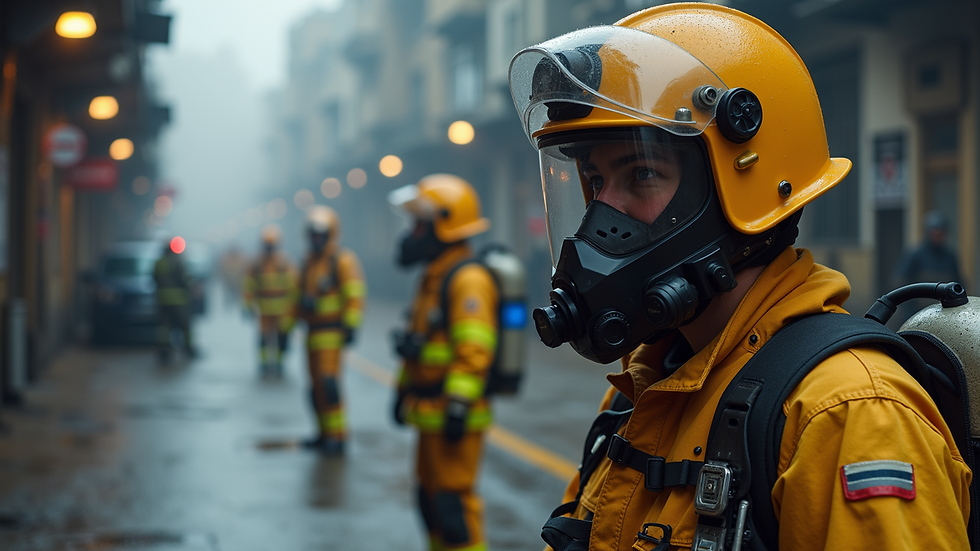
Despite its robust features, Protecton remains lightweight. This design ensures that individuals can move freely and respond swiftly in emergencies. Cumbersome clothing can hinder critical actions, making mobility a top priority.
The Broader Impact of Protecton Technology
As natural disasters and industrial accidents pose ongoing threats, Protecton technology extends beyond individual safety. This innovation encourages a cultural shift towards proactive safety measures and preparedness.
By providing a reliable solution for various hazards, Protecton contributes to reducing disaster impacts across India. Implementing this technology may lead to fewer fatalities and injuries, improving overall safety for both first responders and civilians.
Moreover, Protecton serves as a model for future innovations in protective wear. Its focus on affordability and multi-use functionality sets a benchmark for other safety-related technologies. Manufacturers and researchers can take cues from Protecton to prioritize user needs and environmental adaptability in their own developments.
Final Thoughts
Protecton technology marks a significant step forward in wearable protective clothing. It showcases a proactive approach to safety, addressing a variety of hazards faced by individuals in different sectors. With features like water resistance, breathability, and biological protection, Protecton serves as a comprehensive solution for the unique challenges faced in India.
As the nation braces for future natural and industrial challenges, adopting such protective measures is vital for safeguarding lives. Implementing Protecton is not just about enhancing individual safety; it fosters a more secure environment for future generations. Through Protecton, the value of “Protection On” becomes a tangible reality, shaping a safer future for all.
Comments